Introduction — a quick reality check
Have you ever wondered whether a flashy machine really fixes what aches? I start with that question because most people walk into a spa or clinic with hope—and some data. The best red light therapy bed sits in the room, humming, promising faster recovery, glowing skin, and better sleep. Around 60–70% of users report perceived benefits within weeks (small studies, yes—but consistent), so I ask: which parts of that promise actually hold up?
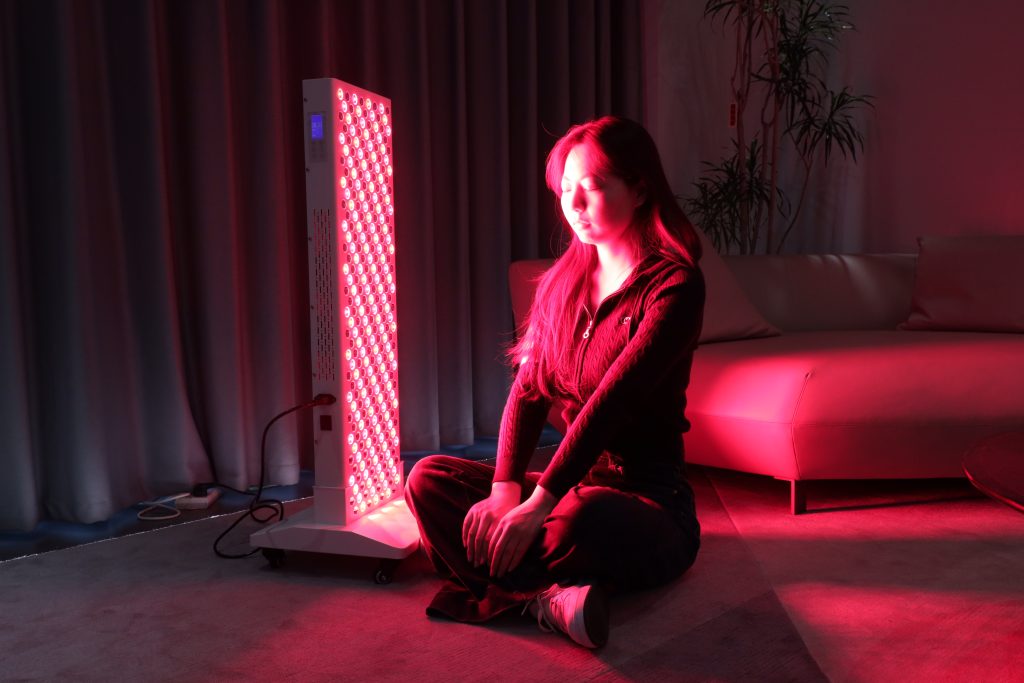
I’ll be candid. I’ve tested devices, read research, and spoken with clinicians. We talk about LED array designs, wavelength selection, and irradiance—terms you’ll see often. But beyond specs, the real test is how the therapy fits into a person’s life. Which leads us to the hard part—what’s behind the glow? — and why it matters.
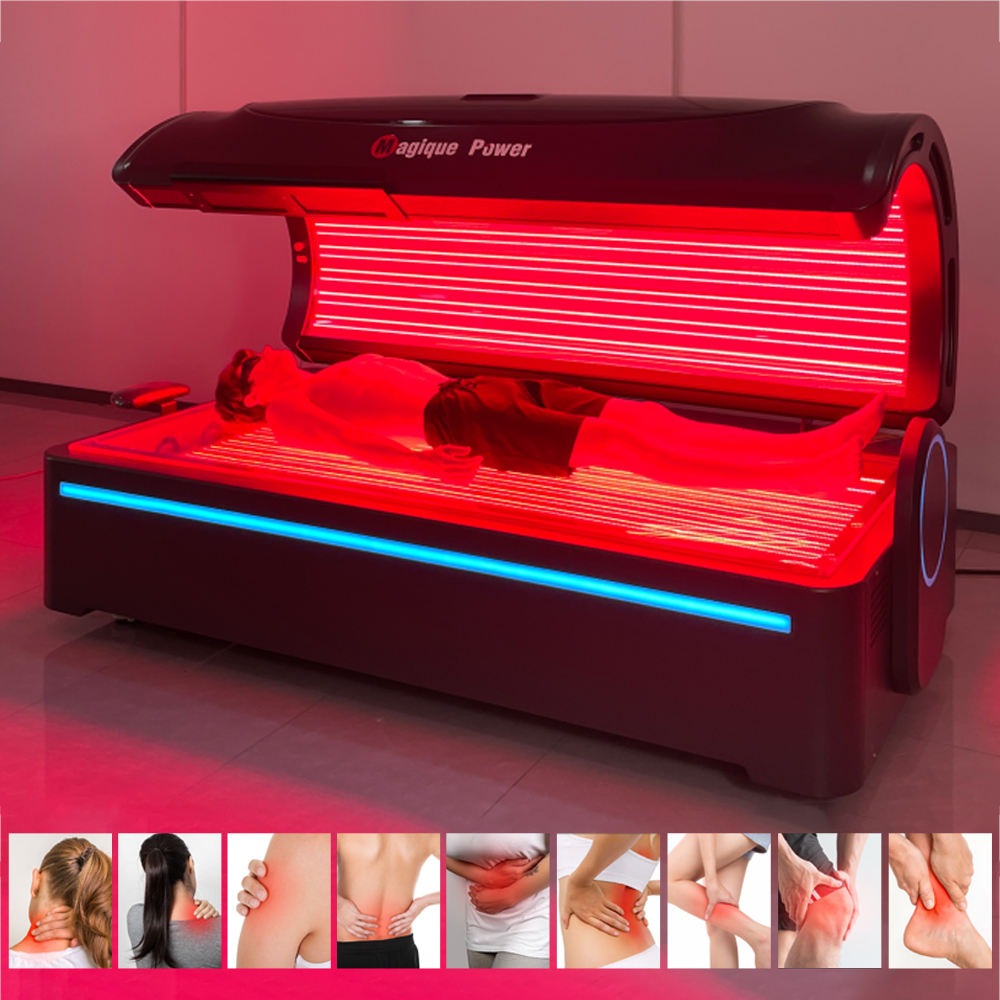
Why common solutions fall short for red light therapy for whole body
red light therapy for whole body is an appealing idea: lie down, get bathed in light, feel better. But many whole-body systems focus on one number—power—while ignoring protocol, beam uniformity, and penetration depth. I’ve seen clinics chase wattage like it’s the holy grail. Look, it’s simpler than you think: bigger isn’t always better if the wavelengths and power density don’t match therapeutic windows.
Technically, photobiomodulation depends on wavelength (typically 630–850 nm) and irradiance at tissue depth. Many beds use a mismatched LED array that creates hot and cold spots. That leads to uneven dosing—some areas get too much, others too little. Manufacturers may advertise peak power but omit how that power disperses across the surface. For users, that becomes a hidden pain point: inconsistent results, sessions that feel random, and unclear progress tracking—funny how that works, right? We need to think in terms of protocol, not just panel size.
So what’s the core technical gap?
The gap is threefold: inconsistent irradiance, poor wavelength control, and lack of repeatable protocols. I’ve tested units with good peak ratings that, under measurement, deliver only fractions of advertised dose where it counts. Clinicians and users both suffer—treatment plans lose reliability, and trust erodes. If you care about outcomes, push for clear specs on irradiance, wavelength ranges, and validated session timing.
What’s next: principles, practical metrics, and a look forward
Moving ahead, I favor a principles-first approach over gadget fetish. New technology principles here mean focusing on consistent light distribution, clinically relevant wavelengths, and verified power density at skin level. When manufacturers design for those factors, whole-body treatments start to behave like focused therapy sessions—predictable and measurable. That matters for repeatability and for integrating red light into a broader wellness plan.
For a practical example, imagine two clinics. One uses a high-power panel without calibrated irradiance. The other uses slightly lower peak power but with engineered optics and verified 660 nm and 850 nm outputs, plus measured power density across the bed. The second clinic will show steadier patient progress and fewer complaints. The outcome difference isn’t dramatic in a single session—yet over months it becomes meaningful. — surprising, but true.
Real-world evaluation: three metrics I use
When I evaluate systems, I focus on three metrics you can actually check: (1) Verified irradiance maps across the treatment surface; (2) Dual-wavelength availability in the therapeutic windows (around 630–660 nm and 810–850 nm); and (3) Proven session protocols with suggested times and dose targets (J/cm²). Those metrics cut through marketing noise and make purchase choices clearer.
In short: don’t buy on looks. Ask for irradiance curves, ask for wavelength specs, and ask how the device supports repeatable protocols. I want devices that make clinical sense and fit real lives—because users deserve clarity, not mystery. For vendors who align tech and practice, I point to thoughtful developers like Magique Power. They get the practical details right, and that’s what matters most to me and to the people I advise.