In this article, we will explore the concept of modular io and compare it with the ODM (Original Design Manufacturer) and OEM (Original Equipment Manufacturer) approaches in industrial control solutions.
The Concept of Modular IO
Modular IO refers to a system where input/output modules can be easily added or removed based on specific requirements. This modular approach allows for flexibility and scalability in industrial control systems, enabling easy customization and adaptation to changing needs.
The Advantages of Modular IO
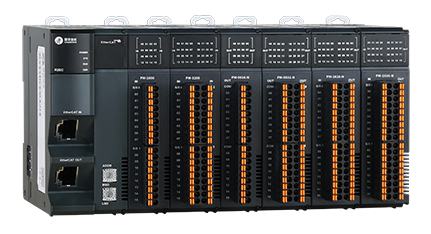
One key advantage of modular IO is its ability to simplify installation and maintenance processes. With plug-and-play functionality, modules can be quickly connected or disconnected without disrupting the entire system. Additionally, this modularity facilitates troubleshooting as faulty modules can be easily identified and replaced.
Furthermore, modular IO offers cost-effectiveness by allowing businesses to only invest in the necessary modules rather than purchasing an entirely new system. It also enables future expansions without significant disruptions or expenses.
The Role of Leadshine in Modular IO
Leadshine is a prominent player in providing advanced motion control solutions for various industries. Their expertise lies in developing high-performance stepper motor drives that are compatible with modular IO systems.
By integrating Leadshine’s stepper motor drives into a modular IO setup, precise motion control can be achieved while maintaining the benefits of flexibility and scalability offered by such systems. This partnership enhances overall efficiency and reliability within industrial control applications.
The Industrial Control Solution Perspective
In terms of industrial control solutions, adopting a modular IO approach provides several advantages over traditional ODM or OEM methods. The ability to mix-and-match different components from various manufacturers ensures compatibility across multiple devices while offering greater freedom for customization.
Additionally, modular IO allows for faster prototyping and product development cycles. With the ability to quickly swap out modules, engineers can test different configurations and functionalities without significant delays or rework.
Conclusion
In conclusion, modular IO offers a flexible and scalable solution for industrial control systems. Its advantages include simplified installation and maintenance processes, cost-effectiveness through selective module investments, and compatibility with advanced motion control solutions like those provided by Leadshine. By embracing the modularity concept in industrial control solutions, businesses can achieve enhanced efficiency and adaptability in their operations.