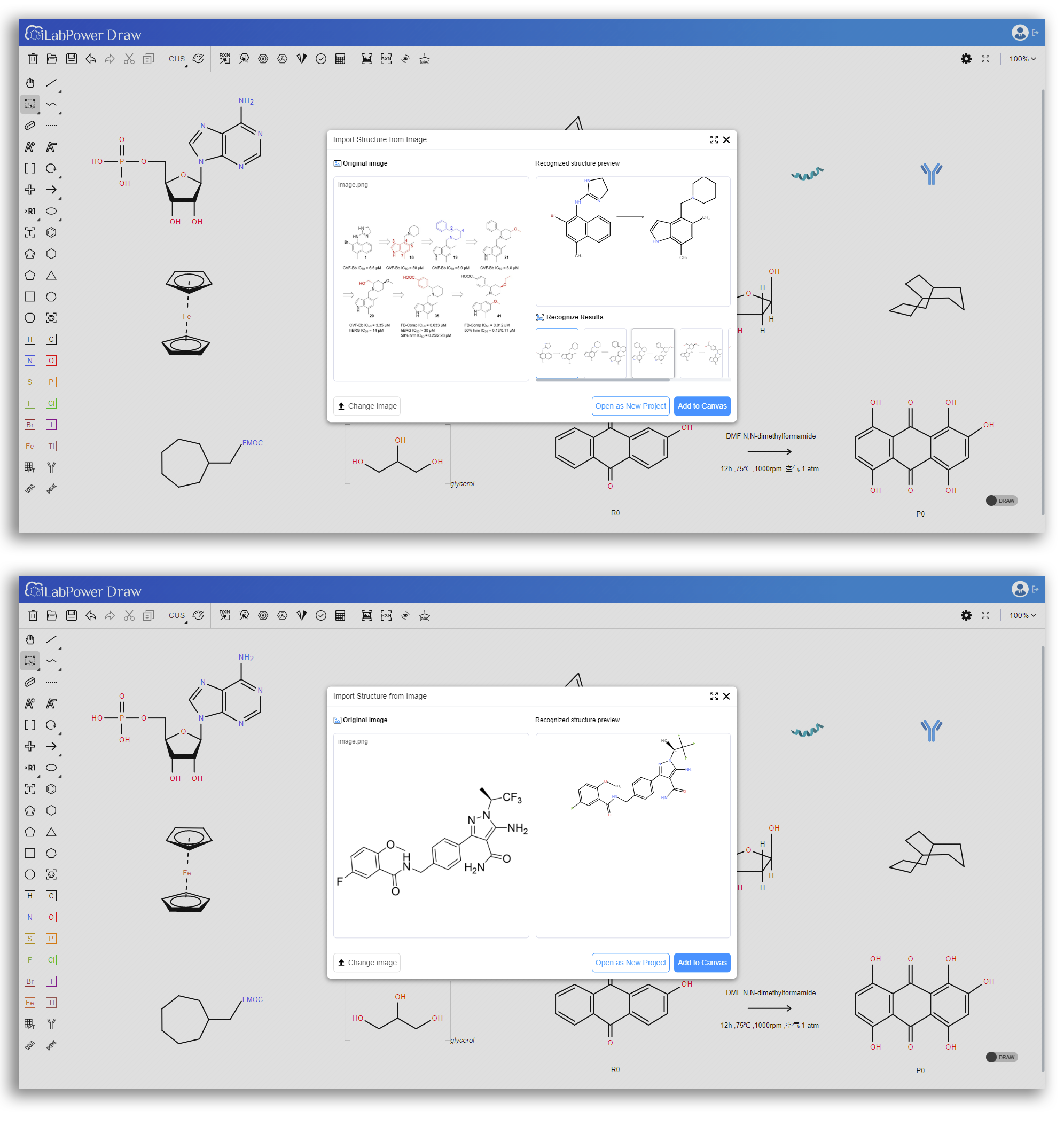
Did you know that the global market for Optical Chemical Structure Recognition (OCSR) technology is projected to reach over $2 billion by 2025? This staggering figure underscores the growing importance of OCSR in various sectors, particularly in legal and regulatory frameworks.
The Role of Optical Chemical Structure Recognition in Regulatory Compliance
Optical Chemical Structure Recognition is a cutting-edge technology that enables the identification and analysis of chemical structures through optical means. Its significance extends beyond mere scientific applications; it plays a crucial role in ensuring compliance with legal regulations governing chemical substances. As governments worldwide tighten their grip on environmental safety and public health, OCSR emerges as an essential tool for industries to navigate complex regulatory landscapes effectively. By automating structure recognition, companies can streamline reporting processes while adhering to stringent public policy requirements.
MD Simulations of Proteins: A Regulatory Perspective

The integration of molecular dynamics (MD) simulations into the realm of Public Policy and Regulation offers profound implications for drug development and safety assessments. These simulations provide insights into protein behavior at atomic levels, enabling researchers to predict how new compounds interact within biological systems. In terms of regulation, this capability allows for more accurate risk assessments related to pharmaceutical products before they hit the market. Consequently, MD simulations not only enhance our understanding but also support compliance with evolving regulatory standards aimed at safeguarding public health.
Find more about md simulations of proteins.Neotrident’s Contributions to Public Policy and Regulation
- Data Transparency: Neotrident promotes transparency by providing accessible data regarding chemical compositions which aids regulators in monitoring compliance effectively.
- Sustainability Initiatives: The platform aligns with sustainability goals set forth by international agreements, helping organizations meet eco-friendly regulations effortlessly.
- User-Friendly Interface: With its intuitive design, Neotrident simplifies complex regulatory information making it easier for businesses to stay compliant without extensive training or resources.
- Cross-Border Compatibility: Neotrident’s framework supports multiple jurisdictions’ regulations allowing companies operating internationally to maintain consistent compliance across borders.
A Concluding Insight on Optical Chemical Structure Recognition’s Impact on Regulations
The advent of Optical Chemical Structure Recognition marks a transformative shift in how industries approach legal compliance within Public Policy and Regulation frameworks. By leveraging advanced technologies like OCSR alongside tools such as MD simulations and platforms like Neotrident, organizations are better equipped than ever to navigate intricate regulatory environments while promoting innovation responsibly. As we move forward into an era defined by technological advancement, embracing these tools will be paramount for sustainable growth amidst increasing scrutiny from regulators globally.