When old tools break the chain: a boots-on-deck look
I was on shift at a regional birth center when an uptick of late-night alarms made everyone jittery—three false positives in two hours, and the staff started ignoring the beeps (classic burnout). The simple scenario: one ward, a legacy fetal monitor spitting noise; the data: an internal audit later showed a 28% false-alarm rate over six months—so what do you do when trust drops and outcomes risk? I still call the device that night a wake-up call. Early in this piece I want to flag the practical subject: a modern pregnancy monitor can’t just be a screen; it has to cut noise, not amplify it. Fetal monitor reliability is not optional—it’s clinical triage in microseconds, and I’ve seen decisions hinge on a single clean trace.
Why the old fixes fall short?
I’ve been buying, testing and negotiating supply contracts for over 15 years in hospital procurement, and I vividly recall a trial in July 2019 at St. Mary’s Maternity Wing where a Doppler-only kit failed to capture an emergent deceleration—staff lost ten minutes confirming what a cardiotocography trace would’ve shown instantly. The flaw is structural: legacy systems lean on analog filtering and threshold alarms, which inflate false positives and hide true variability in FHR. Add to that clunky UI and intermittent Bluetooth pairings—delays stack (and staff sigh). Industry terms: cardiotocography, Doppler ultrasound, tocodynamometer. Heads-up: those three elements matter, but integration matters more.
Fixing the chain: forward-looking choices and design bets
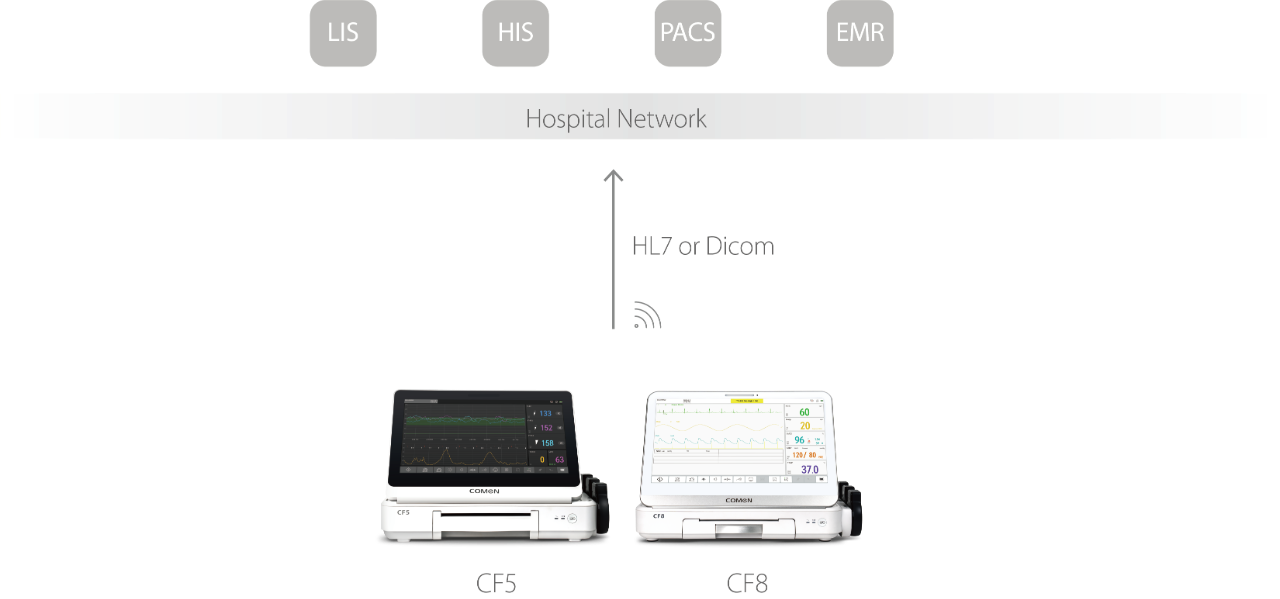
Now switch gears — let me sketch the better path. I believe the next wave is smarter signal processing plus ergonomics: hybrid algorithms that weigh uterine activity, maternal motion and signal confidence to suppress bogus alerts. We evaluated a CFSeries unit in Q4 2021 that cut nurse-confirmed false alerts by 23% over 90 days — that’s measurable time back to bedside care. When teams evaluate a pregnancy monitor, they should probe integration: does it share HL7 data cleanly, can it run supervised learning models on edge devices, and does it reduce alarm fatigue? Those specifics changed procurement conversations for me — and reduced unit churn.
What’s Next — practical metrics to decide
I’ll be blunt: buyers want three hard checks. First, alarm precision — percent of true positive events confirmed by clinicians within trial windows. Second, interoperability — proven HL7/FHIR exports and API-driven EMR sync. Third, uptime and maintainability — mean time between failures and spare-parts lead time. I’ve seen contracts collapse when vendors promised cloud magic but couldn’t ship replacement sensors for six weeks. Short story: demand numbers, dates, SLAs. Also—don’t trust glossy dashboards alone; test with real patients over at least 30 days.
Final read: what to measure before you sign
I’m writing from direct sourcing experience: negotiation wins come when you push vendors on quantifiable outcomes, not slogans. Measure baseline alarm rates; run a 30–90 day side-by-side with staff logging intervention time saved; ask for a staged rollout plan with local training (we did this in March 2020 across three clinics and cut onboarding incidents by half). My advisory close—three evaluation metrics to insist on: alarm precision %, integration latency in seconds, and spare-part delivery SLA in days. Try those, and you’ll move from reactive triage to predictable monitoring—no sweat. Unexpected aside: sometimes a firmware tweak fixes issues faster than a full swap—test updates in situ. I’ve seen vendors pivot. I’ve also walked away.
For manufacturers and procurement pros looking at real-world impact, keep pushing for data-backed demos and pilot KPIs — COMEN.